
Bex HarrisOwner | Property Manager
- For Owners
- Insights
- Industry Updates
- For Tenants
How Clean Does a Rental Property Really Need to Be When You Move Out?
Exit inspections, fair wear and tear, and what the Residential Tenancies Act actually says.
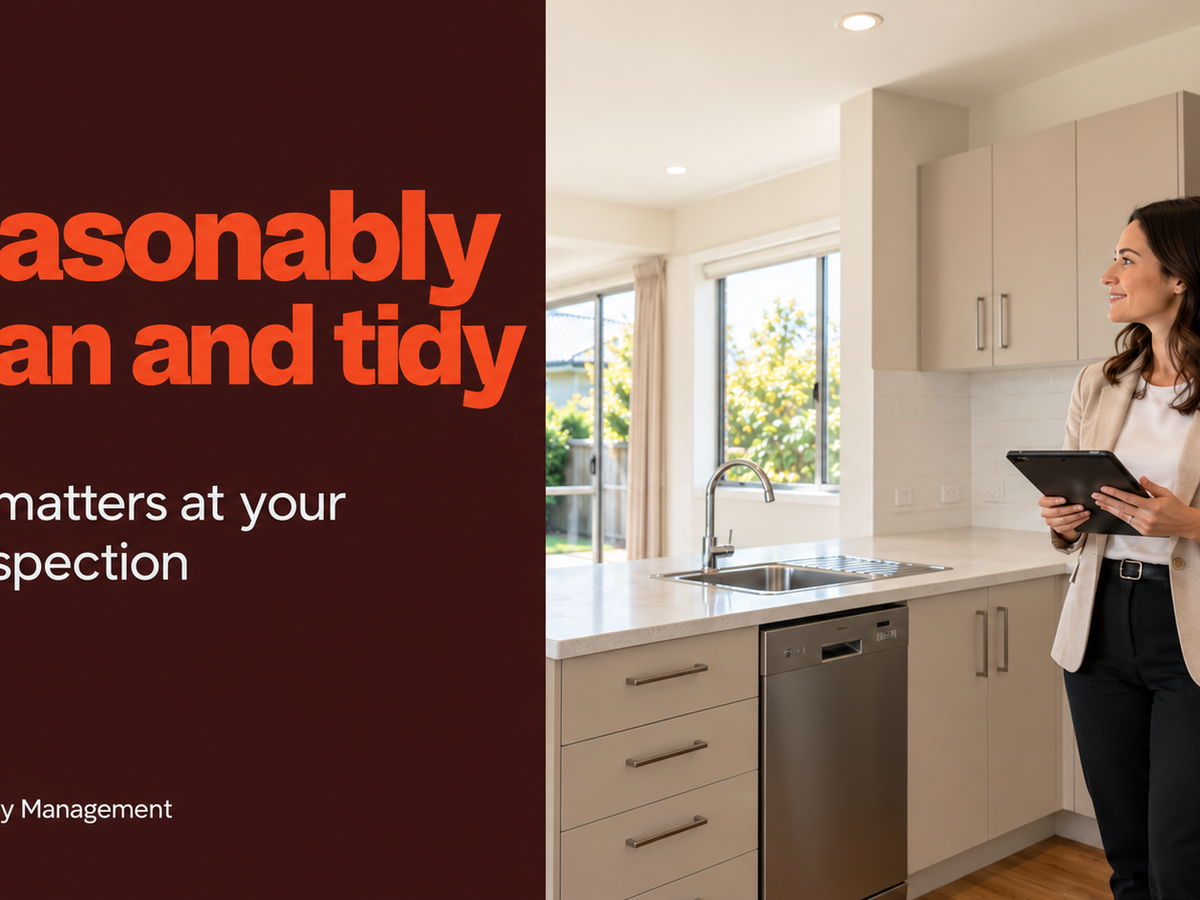
One of the conversations we regularly have at TED Property Management is about how clean a rental property needs to be when someone moves out.
"Reasonably clean and tidy." Three little words that can cause a surprising amount of debate between landlords and tenants.
And it's fair to say, everyone's idea of clean can be a little different!
Some landlords expect their property returned exactly as it was handed over, spring cleaned and hotel ready, while tenants might think a quick vacuum and wipe-down will do the trick.
So who's right?
Well, the Residential Tenancies Act gives us a pretty good starting point, and the answer might surprise a few people.
What does "reasonably clean and tidy" actually mean?
Under Section 40 of the Residential Tenancies Act 1986, tenants are required to leave a rental property reasonably clean and tidy when their tenancy ends.
Notice the law doesn't say spotless, professionally cleaned or spring-cleaned.
It says reasonably.
And that's an important distinction.
It doesn't mean tenants can leave dirty ovens, grimy showers or rubbish behind. But equally, it doesn't mean a landlord can expect every surface to look like nobody has ever lived there.
The standard isn't necessarily what you or I might personally consider clean. It's about what's reasonable in the circumstances.
This has been considered by the Tenancy Tribunal, with some interesting decisions discussed in Defining 'Reasonably Clean and Tidy'.
It's a good reminder that personal expectations and legal obligations aren't always the same thing.
Does that mean tenants don't have to do a proper clean?
Not at all.
Tenants still need to leave the kitchen, bathroom, floors and other areas reasonably clean, remove their belongings and rubbish, and leave the grounds tidy in line with their responsibilities.
An oven covered in grease, a shower with significant soap build-up or cupboards full of crumbs probably aren't going to meet that standard.
But a few marks inside an older oven or a little dust in an otherwise clean property don't automatically justify bringing in professional cleaners.
There's a difference between doing a proper clean and expecting a full spring clean.
Reasonably clean doesn't mean perfect. But it doesn't mean dirty either.
Do tenants have to get the carpets professionally cleaned?
This is one we hear all the time.
No, professional carpet cleaning isn't automatically required at the end of a tenancy in New Zealand. See tenancy services
What matters is whether the carpets have been left reasonably clean.
If they're in good condition and a thorough vacuum is enough, professional cleaning may not be necessary.
However, significant staining or excessive soiling is a different story and may require further cleaning.
Specific lawful conditions relating to pets may also apply.
The important thing is assessing the actual condition of the carpets, rather than automatically expecting every tenant to pay for professional cleaning.
What if the property was spotless when the tenant moved in?
This is where things can get a little tricky.
An owner may have spent considerable time and money preparing their property before a tenancy started. Understandably, they want it looked after.
But the legal requirement at the end of a tenancy is still reasonably clean and tidy.
That doesn't automatically mean returning it to the exact same standard of cleanliness as when the tenancy began.
And the longer someone has lived in a property, the more likely there will be signs of normal everyday use.
That brings us to another important topic: fair wear and tear versus tenant damage.
A few scuff marks or worn carpets aren't necessarily cleaning issues, and tenants aren't responsible for normal wear and tear.
We'll cover that in more detail in our separate article on fair wear and tear, damage and tenant responsibilities.
Can a landlord charge tenants for cleaning?
Yes, if the property hasn't been left reasonably clean and tidy.
For example, if there's significant grease in the kitchen, excessive grime in the bathroom or rubbish left behind, there may be grounds to seek reasonable cleaning or removal costs.
But landlords can't simply charge tenants because they'd prefer a professional cleaner or a higher standard than the law requires.
And cleaning costs can't automatically be deducted from the bond without agreement or the appropriate legal process.
It's an issue that has caused plenty of discussion over the years. Stuff explored the debate in its article Rental industry puzzles over what is clean and tidy.
It's a good example of why understanding the difference between personal expectations and legal obligations is so important.
How do we approach exit inspections at TED?
For us, it comes down to common sense, good records and knowing the legislation.
We use Inspection Express and detailed 360-degree photography to document property condition, giving us a useful reference when a tenancy ends.
Sometimes that means explaining to a tenant why an area needs additional cleaning.
Other times, it means explaining to an owner that something is already reasonably clean, even if it's not quite how they would personally leave it.
Neither conversation is always easy, but both are part of doing the job properly.
We don't believe exit inspections should become an opportunity to have a property spring-cleaned at a tenant's expense.
Equally, we expect tenants to take reasonable care of the property and meet their obligations.
Fair doesn't mean being soft. It means understanding what's reasonable and applying it consistently.
A few questions we often get asked
Does a tenant have to leave a rental spotless?
No. The Residential Tenancies Act requires a property to be left reasonably clean and tidy, not spotless.
Does a tenant have to clean the oven before moving out?
Yes, to a reasonable standard. Significant grease and food residue should be cleaned, but an older oven doesn't need to look brand new.
Do tenants have to clean windows and window tracks?
They should be left reasonably clean as part of the overall property. However, a landlord can't automatically demand a full professional window clean.
Can a landlord require professional carpet cleaning?
Not automatically. Carpets must be reasonably clean, although specific lawful pet-related conditions may apply.
Can a landlord deduct cleaning costs from the bond?
Only where there's a valid basis for the claim and the deduction is agreed or determined through the appropriate process.
Getting the balance right
At TED Property Management, we believe good property management is about understanding the legislation, protecting an owner's investment and treating tenants fairly.
A rental property is someone's investment, but it's also been someone's home.
Our job is to apply the law, communicate clearly and make sensible decisions, rather than turning every little cleaning issue into a dispute.
We're an independent, owner-operated property management business based in Wigram, looking after rental properties throughout Christchurch, Selwyn and Waimakariri.
If you're looking for experienced property managers who take a fair, practical and hands-on approach, we'd love to have a chat.
TED Property Management | Trust. Experience. Deliver.
Call 03 741 2468
This article provides general information about New Zealand tenancy law. Individual circumstances may affect responsibilities.
Keep reading
More posts

- For Owners
- Insights
- For Tenants
What do I need to do to meet the healthy homes standards?
Last updated: 29/10/2026· By Bex Harris, TED Property Management Your rental needs a fixed heater big enough for the living room, ceiling and underfloor insulation, opening windows and extractor fans, good drainage, and no noticeable draughts. Every private rental in New Zealand has had to meet these five healthy homes standards, and must keep meeting them.

- For Owners
- Industry Updates
- Insights
Unlawful Rentals in NZ - What Landlords Need to Know
A High Court decision is heading to the Court of Appeal and could make rent refunds for unconsented rentals tougher on landlords. Find out how to protect yourself.

- For Owners
- Industry Updates
- For Tenants
The Tenancy Tribunal’s latest pilot - A Welcome Step
One of the biggest frustrations for property managers over the past few years has been the length of time it can take to have a rent arrears application heard by the Tenancy Tribunal. Every week a case sits waiting is another week that unpaid rent can continue to grow, leaving landlords carrying the financial burden.