
Bex HarrisOwner | Property Manager
- For Owners
- Insights
Property Manager Insights: Boarding Houses – Yay or Nay?
In recent years, boarding houses have attracted increasing attention from property investors. With the potential for strong cash flow and higher gross rental returns, the numbers can certainly look appealing.
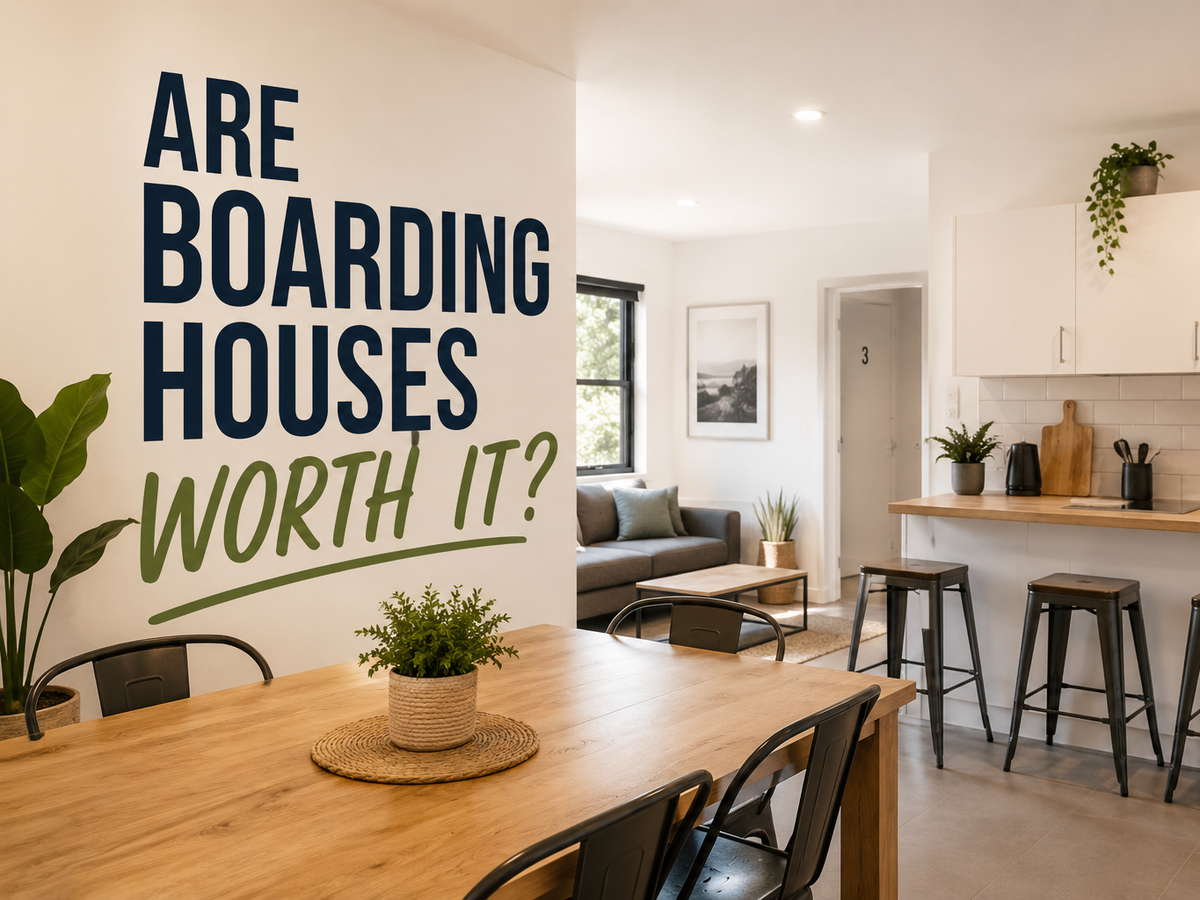
But are boarding houses really a good investment?
In our experience, the answer is........ it depends.
A well-designed, well-located boarding house with a strong and consistent tenant pool can perform extremely well. However, not all boarding houses are created equal, and higher gross rent does not always translate into a higher net rental yield.
Before investing in a boarding house, here are some of the key factors property investors should consider.
1. Higher Tenant Turnover and Vacancy Risk
One of the biggest differences between a traditional residential rental and a boarding house is tenant turnover.
Depending on the tenancy arrangement and applicable legislation, boarding house tenants may be able to give as little as 48 hours' notice to leave. This means tenant turnover can be significantly higher than with a standard residential tenancy.
Maintaining high occupancy is therefore critical. A boarding house that looks profitable at 100% occupancy can quickly become less attractive when several rooms are vacant.
Location and tenant demand are key. You need a reliable and ongoing supply of suitable tenants to keep occupancy levels high and a very proactive property manager who is quick to respond
2. Gross Yield vs Net Yield
Boarding houses can produce impressive gross rental yields, but investors need to look beyond the headline income.
Higher tenant turnover and vacancy can reduce your annual rental income. There are also additional operating costs to consider, including:
- Cleaning of common areas
- Electricity and utilities
- Internet
- Furnishing and replacement costs
- Higher maintenance requirements
- Increased property management and administration
- Advertising and tenant placement costs
A boarding house may look excellent on paper, but the real question is: what is the net return after all costs and vacancy are taken into account?
When assessing a potential boarding house investment, always run your numbers based on realistic occupancy levels rather than assuming every room will be occupied all year.
3. Bedroom-to-Bathroom Ratios Matter
The layout of the property can have a major impact on tenant appeal and occupancy.
Tenants generally do not want to feel like they are living in a hostel. Our recommendation would be no more than three bedrooms per bathroom.
However, from an ease-of-living perspective, we believe the best setups are:
- Ensuite bedrooms, or
- One shared bathroom between two bedrooms
Better bathroom ratios can make the property more appealing to quality tenants and may help reduce turnover.
4. Don't Forget About Parking
Parking can be a major factor, particularly in areas where tenants are likely to own vehicles.
Before purchasing or converting a property into a boarding house, consider:
- How many tenants are likely to have cars?
- Is there sufficient off-street parking?
- Is there reliable street parking?
- What is public transport like in the area?
A lack of practical parking can limit your potential tenant pool and affect occupancy.
5. Room Size Really Does Matter
In many boarding houses, tenants spend a significant amount of time in their bedrooms. Their room is not simply somewhere to sleep — it can also be their living, study and relaxation space.
For this reason, decent-sized bedrooms are important.
Trying to maximise the number of rooms by creating very small bedrooms may increase potential gross income, but it can also make the property harder to rent and increase tenant turnover.
A comfortable room that tenants actually want to live in can be far more valuable than squeezing in an extra bedroom.
6. Well-Organised Kitchen and Common Areas
Shared living only works well when the property is organised.
Kitchen areas should ideally provide each tenant with their own designated storage space, including cupboards, shelves and, where possible, fridge or pantry space.
This helps:
- Keep common areas organised
- Reduce disputes between tenants
- Make the property easier to manage
- Create a more comfortable living environment
A well-designed shared space can make a significant difference to the tenant experience.
7. Understand Your Target Tenant Pool
Perhaps one of the most important questions is: Who is your boarding house designed for?
Not all boarding houses attract the same type of tenant.
Some may cater to students looking for affordable accommodation close to university or tertiary education. Others may suit hospital staff, essential workers, young professionals or people looking for affordable, flexible accommodation.
The property, location and facilities should match your intended tenant market.
A boarding house near a hospital may have a completely different tenant pool and demand profile from one near a university or in an industrial area.
Understanding your target market before you invest is essential.
So, Are Boarding Houses Worth It?
Boarding houses can offer strong cash flow and attractive rental returns, but they are not automatically a better investment than a traditional rental property.
The key to achieving a strong net rental return is maintaining consistent occupancy while keeping operating costs under control.
Before investing, carefully consider:
- Location and ongoing tenant demand
- Vacancy risk and tenant turnover
- Realistic net rental yield
- Bedroom-to-bathroom ratios
- Parking availability
- Bedroom size and quality
- Well-organised kitchen and common areas
- Your target tenant demographic
The numbers may look appealing, but a successful boarding house requires more than simply adding extra bedrooms. The best-performing properties are designed around tenant demand, ease of living and long-term occupancy.
Thinking about investing in a boarding house or maximising the return from your investment property? Contact Ted Property for practical property management and investment advice.
Keep reading
More posts

- For Owners
- Insights
How Much Does a Property Manager Cost in Christchurch?
What does a property manager cost in Christchurch? Typical fees, extra charges to watch for, and how to compare property managers properly.

- For Owners
- Industry Updates
- Insights
Unlawful Rentals in NZ - What Landlords Need to Know
A High Court decision is heading to the Court of Appeal and could make rent refunds for unconsented rentals tougher on landlords. Find out how to protect yourself.

- For Owners
- Insights
What Should You Expect From a Property Manager?
What Are You Actually Paying Your Property Manager For? It can be easy to assume that a property manager simply collects the rent, organises the occasional repair and finds a new tenant when someone moves out.Quality property management is much more than that.